We work with a lot of first-time container buyers, and the same questions come up every time — What size to choose, whether to go new or used, how delivery works, and what’s possible in terms of modifications.
To make the process easier, we’ve put together this straightforward guide so you can make the right decision from the start. If you’d rather fast-track it, our Container Selector Tool can help you find the best option in just a few steps.
Step 1: Decide Between New vs. Second-Hand Sea Containers
One of the first decisions you’ll make is whether to buy a new or used container. Each option suits different needs.
New containers are typically “one-trip” units (used once to ship goods to Australia, then sold). They’re clean, structurally sound, and perfect if appearance or longevity matters. These are a good choice for high-visibility areas or long-term builds like offices or container bars.
Second-hand containers are more affordable and still highly functional. Ours are professionally refurbished and repainted inside and out. They’re perfect for storage, workshops, or short-term setups where aesthetics aren’t critical. If you’re not sure which suits your job, we can help assess what will deliver the best value.
Step 2: Choose the Right Size
Getting the right size container starts with knowing what you’re using it for and where it’s going. We stock the full range, from compact units to full-scale container builds:
- Mini Containers (5ft to 9ft) – A practical choice for tight spaces or smaller storage jobs. These are often used for tool storage, garden gear, or as secure lock-ups.
- 10ft Containers (GP and HC) – Compact but with enough space for most small business or residential needs.
- 20ft Containers (GP and HC) – The go-to size for general storage, fitouts, and transport. Fits easily on most sites.
- 40ft Containers (GP and HC) – Perfect for large storage, workshops, or full site setups. High Cubes offer more internal clearance.
Container size options will also depend on whether you’re buying a standard sea container or a modified container building like an office, lunchroom, or kiosk. Some of these are only available in set sizes, while others offer more flexibility depending on the build.
But if you’re just after a container as-is (standard or mini) the world’s your oyster. We’ve got you covered.
Step 3: Consider Modifications Early

If you’re planning to do more than just store gear, it’s important to think about modifications from the start. Some add-ons are simple, while others need to be handled professionally (especially if you’re turning a container into a workspace or customer-facing area).
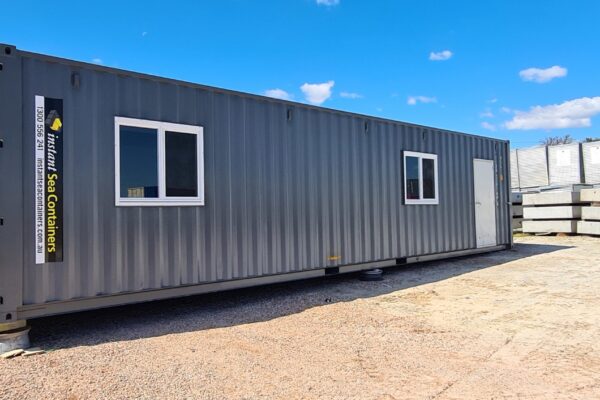
Depending on what you choose, many of our container buildings already come fitted out with the essentials—things like windows, insulation, electrical fitouts, ventilation, and internal linings. Some setups include all of these features, while others are more basic, so it’s worth checking the specification sheet or speaking with our team to make sure it suits your use case.
For more specific needs, we offer custom container builds. Whether you’re setting up a kiosk, event office, workshop, lunchroom, or something highly specialised, we can modify shipping containers to suit almost any requirement. This includes (but not limited to):
- Roller doors and personal access doors
- External and internal design work
- Custom window placement and lighting
- Shelving, racking, and storage solutions
- Climate control, insulation, and air vents
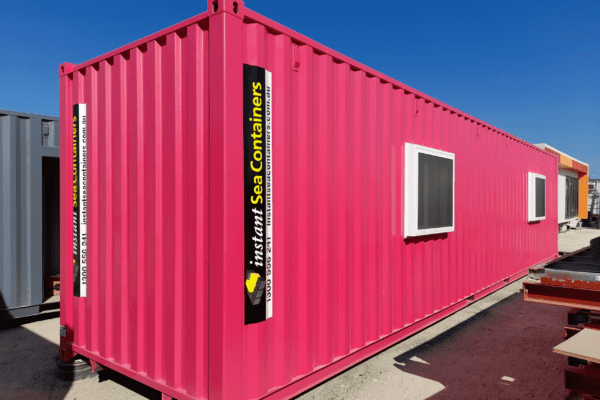
- Paintwork, signage, and branding
Not sure what’s possible or what’s necessary for your site? Have a chat with our team and we’ll help you work through your options.
Step 4: Plan for Delivery and Site Access

Delivery is straightforward when it’s planned properly. However, it’s one of the most common things people overlook.
We deliver across WA using either tilt tray trucks or HIAB/crane trucks, depending on your site access and the size of your container. If your site has tight access, overhead obstacles, or uneven ground, we’ll walk you through the best delivery method to avoid issues on the day.
Before delivery, we’ll help you check:
- Site access width and height
- Ground surface and slope
- Container orientation and placement
- Any required clearances for crane or tilt tray unloading
If you’re in a metro area, delivery is often quick to organise. For regional or remote sites, we’ll factor in transport logistics early in your quote so you know exactly what to expect.
Step 5: Understand Basic Maintenance
Sea containers are built tough, but like anything, a little maintenance goes a long way (especially if you’re buying for long-term use).
If you own the container, here are a few basics to keep in mind:
- Check door seals regularly to make sure they’re watertight.
- Keep the container elevated slightly off the ground to prevent water pooling and rust.
- Touch up paint if you notice chips or exposed metal (especially around door frames).
- Keep vents clear to allow proper airflow and reduce condensation.
Step 6: Budgeting Tips and Total Cost Expectations
Sea containers are a cost-effective solution, but it’s important to understand what affects the total price.
- Container type and size – Mini containers cost less, while larger or high cube models are priced higher. New units cost more than refurbished ones, but may offer better value long-term.
- Modifications – Basic add-ons like shelving or vents are affordable. More complex builds with insulation, power, and fitouts will push the cost higher (but are still far cheaper than an in-situ building).
- Transport – Delivery costs vary based on your location. We deliver statewide, and remote or regional WA jobs will need to factor in extra for distance and access.
- Ongoing use – If you’re buying, consider long-term upkeep as part of your total investment.
If you’re working to a specific budget, we’ll help you find the most cost-effective option without compromising on what you actually need.
The Right Setup Starts With the Right Advice
Buying a sea container can be straightforward when you know what to look for. We supply everything from basic storage units to fully converted container buildings, and we can customise to suit just about any setup.
Browse our converted shipping containers or use the Container Selector Tool to find the right option for your job. If you’re not sure what you need, give us a call on 08 9415 0717 we’ll point you in the right direction and get it sorted properly from the start.

Scott Rawson
Managing Director at Instant Sea Containers
Scott Rawson is the Managing Director of the Instant Products Group, a specialist group of companies that offer portable building solutions, including sea containers, transportable offices, and portable sanitation products.